
When ADHD, Trauma, and Hormones Get Called Something Else
There is something I want to say plainly at the start: I am not anti-diagnosis.
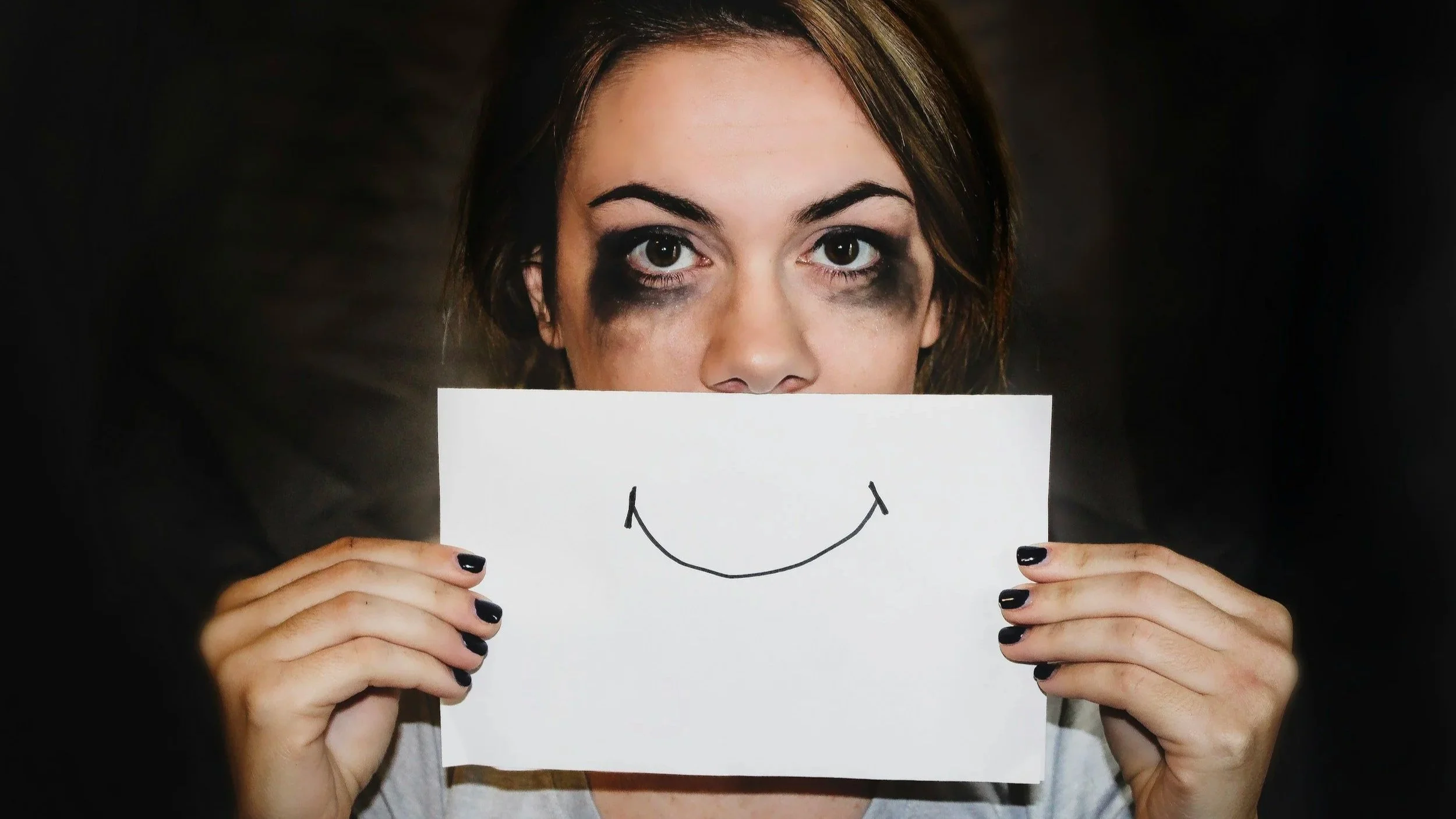
A good diagnosis can be a profound source of validation. It can offer language for experiences that have felt confusing for years. It can create relief, direction, and a deeper sense of self-understanding. I have seen that clinically, and I have felt it personally. What I do take issue with is the way diagnoses are sometimes handed out by professionals who do not actually take the time to understand the full story. When a label is applied without curiosity, context, or care, it can feel less like help and more like being flattened into a symptom cluster. It can feel pathologizing. It can feel shaming. It can feel like someone with institutional power has told you who you are, without ever really knowing you. That power dynamic matters. There is the “professional,” and then there is the person seeking help, often in pain, often vulnerable, often hoping someone will finally make sense of what is happening. When a clinician moves too quickly, overidentifies with a framework, or does not understand how symptoms overlap across ADHD, trauma, hormonal shifts, mood disorders, and personality pathology, the consequences are not abstract. They land in a real person’s life.
I know this because I have lived it.
I was misdiagnosed with borderline personality disorder and bipolar disorder before I had the language and context to understand what was actually happening. What was being seen was a complicated mix of trauma, ADHD, and hormonally influenced shifts in emotional regulation. What was not being seen was the whole picture. And that distinction matters.
The problem is not diagnosis. The problem is lazy diagnosis.
I want to be careful here. Borderline personality disorder and bipolar disorder are real diagnoses. They can absolutely fit some people’s lived experience, and for many, those labels are clarifying and helpful. This is not an argument against them.
This is an argument against diagnostic carelessness.
When clinicians do not take time to differentiate between chronic emotional dysregulation, trauma responses, attentional dysregulation, rejection sensitivity, cycle-related worsening, and actual bipolar mood episodes or enduring personality pathology, people get mislabeled. And once a label enters the room, it can change the way every future symptom is interpreted. The diagnosis starts shaping the lens, and the lens starts shaping the story. Symptoms like affective instability, impulsivity, interpersonal distress, and intense emotional responses can overlap across ADHD, trauma-related presentations, borderline personality disorder, and bipolar-spectrum conditions. Research has shown substantial overlap in impulsivity, emotional dysregulation, and interpersonal difficulties between ADHD and borderline personality disorder, which makes misidentification more likely when clinicians rely on surface features rather than developmental history and symptom course. A similar issue exists with bipolar disorder. One diagnostic study found that more than half of individuals previously diagnosed with bipolar disorder did not meet criteria on structured interview, with borderline personality disorder significantly increasing the likelihood of prior misdiagnosis. That does not mean these diagnoses are not real. It means diagnostic precision matters.
Why women with ADHD are so often missed
When women with ADHD are misdiagnosed, it is not because the symptoms are absent. It is because the system evaluating those symptoms was not built with women in mind. For decades, ADHD research and diagnostic frameworks have been centered on male presentations, particularly those involving visible hyperactivity and externalizing behavior. Experts have noted that ADHD in girls and women is frequently missed due to internalized symptoms, masking, and referral bias.
Women are more likely to present with:
internal overwhelm
overthinking
emotional intensity
relational sensitivity
rather than outward disruption.
Because these patterns are less visible and often more socially acceptable, they are more likely to be interpreted as anxiety, depression, or personality-based issues. Population data reflects this gap. One study found that girls with high ADHD symptom levels were significantly less likely than boys to receive a diagnosis, suggesting a higher threshold for recognition. Even when women are in treatment, they are often being treated for the wrong thing. A 2024 analysis found that women experienced delays of several years in receiving an ADHD diagnosis, despite already engaging with mental health services. They are not outside the system. They are inside it, being misunderstood.
What gets mistaken for what
This is where things become more complicated, and more human.
ADHD in women can look like chronic overwhelm, emotional reactivity, rejection sensitivity, inconsistent functioning, and deep internal effort to keep things together. Trauma can add hypervigilance, relational sensitivity, and nervous system dysregulation. Hormonal shifts can significantly intensify mood instability, attention difficulties, and emotional reactivity. Research has shown that declines in estrogen are associated with worsening ADHD symptoms, particularly in emotional regulation and cognitive functioning. When all of these factors intersect, what emerges on the surface can look like instability. But instability is often a description, not an explanation. Without context, complex neurobiological and environmental interactions are reduced to simplified diagnostic labels. And when that happens, people get categorized rather than understood.
The cost of getting it wrong
When a diagnosis does not fit, it does more than affect treatment. It shapes identity. If you are told you have a personality disorder when the underlying pattern is ADHD combined with trauma and hormonal sensitivity, you may begin to view your emotional responses as evidence of being fundamentally flawed. If you are told you are bipolar when the pattern is cyclical and context-dependent, you may begin to fear your own mind unnecessarily. This is not about rejecting diagnoses. It is about recognizing that inaccurate ones can cause harm.
You are not your diagnosis
You are not your diagnosis. You are not the label that ended up in your chart during a vulnerable season. You are not reducible to a billing code, a symptom list, or a clinician’s interpretation. You are a human being. Life is hard. Nervous systems are complex. Trauma shapes responses. Hormones matter. ADHD affects far more than attention. A diagnosis can be helpful, but it should serve understanding, not replace it.
What I wish more professionals understood
I wish more clinicians understood that women with ADHD often arrive looking anxious, overwhelmed, emotionally reactive, and inconsistent because they have been compensating for years. I wish more clinicians understood that internalized ADHD is missed precisely because the person is trying so hard. I wish more clinicians understood that emotional dysregulation is not owned by one diagnosis, and that developmental history, hormonal patterns, trauma, and context are essential; not optional.
And I wish more people seeking help knew this:
If a diagnosis felt pathologizing because no one took the time to understand you, that does not mean you are resistant or in denial. It may mean your system recognized that something about the explanation was incomplete. Sometimes what looks like resistance is discernment.
sources referenced:
https://pmc.ncbi.nlm.nih.gov/articles/PMC6850677/
https://pmc.ncbi.nlm.nih.gov/articles/PMC2849890/
https://pmc.ncbi.nlm.nih.gov/articles/PMC7422602/
https://pmc.ncbi.nlm.nih.gov/articles/PMC6401208/
https://pubmed.ncbi.nlm.nih.gov/38798101/