
Rejection Sensitivity and ADHD: Why Your Brain Braces Before It Breaks
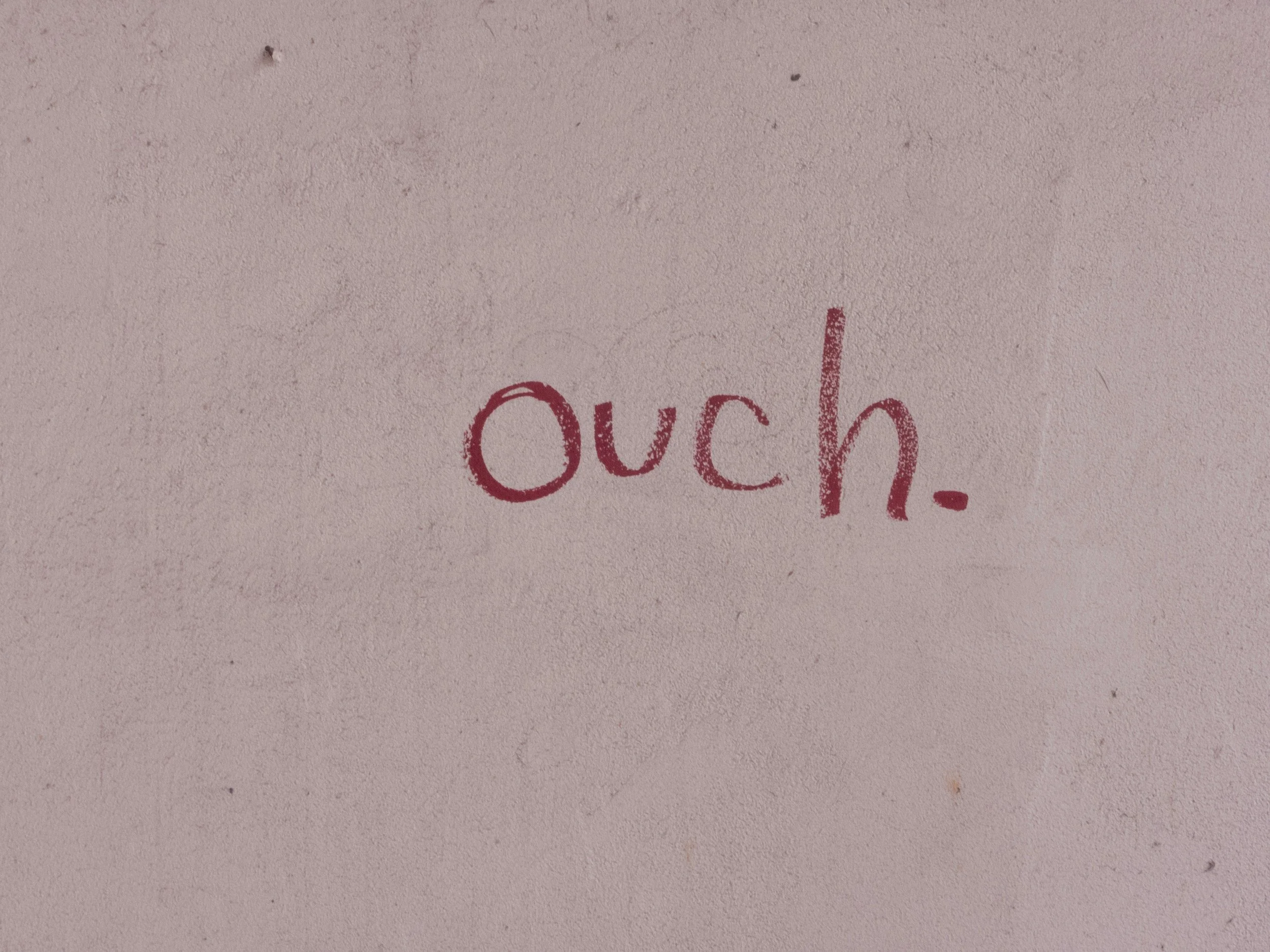
Yes, rejection sensitivity is having a moment. It is all over TikTok and therapy Instagram, and every ADHD forum you can find. And like most things that go viral, the signal is real even if the noise has gotten loud.
Rejection sensitive dysphoria, or RSD, is not a personality quirk or a generation's collective fragility. It is a neurobiological response that many people with ADHD experience, so let's talk about what it actually is, what it feels like from the inside, and why the looping that follows is not a character flaw.
What rejection sensitivity actually is.
For people with ADHD, the nervous system processes perceived rejection, criticism, or disapproval differently. The emotional response is faster, more intense, and harder to regulate than the situation might seem to warrant from the outside. A shift in someone's tone. A delayed text. A question that lands sideways. A look that might have meant nothing. Any of these can trigger a full emotional response before the thinking brain has had a chance to evaluate what actually happened.
This is not oversensitivity in the dismissive sense of the word. It is a brain that is wired to detect social threat quickly and respond immediately, and in the context of ADHD, the system that would normally slow that response down and say "wait, let's get more information" is less reliable.
What it looks like from the inside.
Recently my husband said something to me out of genuine concern. It was caring. It was thoughtful. And something in me immediately registered it as a challenge to my values and my character.
I felt it before I understood it. The defensiveness, the confusion about why I was reacting so strongly, the internal scramble to figure out what had just happened. It took me a moment to recognize what was actually going on. My brain had processed his words as rejection before I had the chance to hear them as love.
That gap, between what was said and what was received, is where rejection sensitivity lives.
For many of my clients, it looks like this. Someone sends a message, and the reply feels slightly off. Now they replay the entire conversation, scanning for what they said wrong and cataloging every possible way they might have hurt, offended, or misread the situation. They are reading into social cues they don't fully have yet, filling in blanks with their worst fears, and building a case against themselves out of incomplete information.
They have not actually done anything wrong. They don't know that yet. Their brain is already in the loop.
The loop.
The loop is what happens after the initial hit of rejection sensitivity. It might sound something like this:
Did I say something wrong? I probably said something wrong. The way they responded felt different. They're probably upset with me. I should reach out and apologize, but what if that makes it worse? What if I'm imagining it? But what if I'm not? I always do this. Maybe I'm too much. Maybe I pushed them away again.
The loop is exhausting, and it is also completely understandable once you understand what is driving it. The ADHD brain is trying to solve a problem it doesn't have enough information to solve. It is doing its best to prepare for a rejection that may never come, because being prepared feels safer than being blindsided.
The protective piece.
Here is what I think is often missed in conversations about rejection sensitivity. The loop is not just anxiety. It is protection.
For many people with ADHD, especially those who grew up receiving frequent criticism, correction, or the message that they were too much or not enough, the nervous system learned early to brace. If you can anticipate rejection before it arrives, maybe you can soften the blow. Maybe you can fix it in time. Maybe you can make yourself smaller or more careful or more palatable before anyone has the chance to confirm what you already fear about yourself.
The loop is the brain doing what it was trained to do. It is scanning, preparing, preemptively managing. It is not irrational. It is a survival response that made sense once and now fires in contexts where it is no longer needed.
Understanding that does not make the loop stop immediately. But it changes your relationship to it. Instead of "what is wrong with me," the question becomes "what is my brain trying to protect me from right now?"
What actually helps.
The first thing that helps is information. Knowing that what you are experiencing has a name and a neurobiological explanation interrupts the self-blame that usually rides alongside the loop.
The second thing is learning to pause before filling in the blanks. The loop runs on assumptions. It takes incomplete social information and writes an entire story. Practicing the question "what do I actually know right now, not what do I fear" can create just enough space to slow it down.
The third thing is learning to tolerate the not-knowing. This is harder than it sounds for an ADHD brain that is wired to seek resolution. Sitting with "I don't know yet what that meant" without immediately moving to either reassurance-seeking or self-blame is a skill that takes time and often benefits from support.
And sometimes, like it was for me with my husband, the answer is simply: that was not rejection. That was care. And my brain did not know the difference in the moment, and that is okay.
Key takeaway.
Rejection sensitivity in ADHD is real; it is neurobiological, and it is not a measure of your emotional maturity or your relationships. The loop that follows- the replaying, the overanalyzing, the bracing- is your brain trying to protect you. It is not evidence that you did something wrong. It is evidence that your nervous system learned to prepare for pain a long time ago and has not yet learned that it is safe to wait and see.
You are not too much.
You are not broken.
Your brain is working very hard to keep you safe.
It just sometimes needs a little help knowing when the threat has passed.